Field images
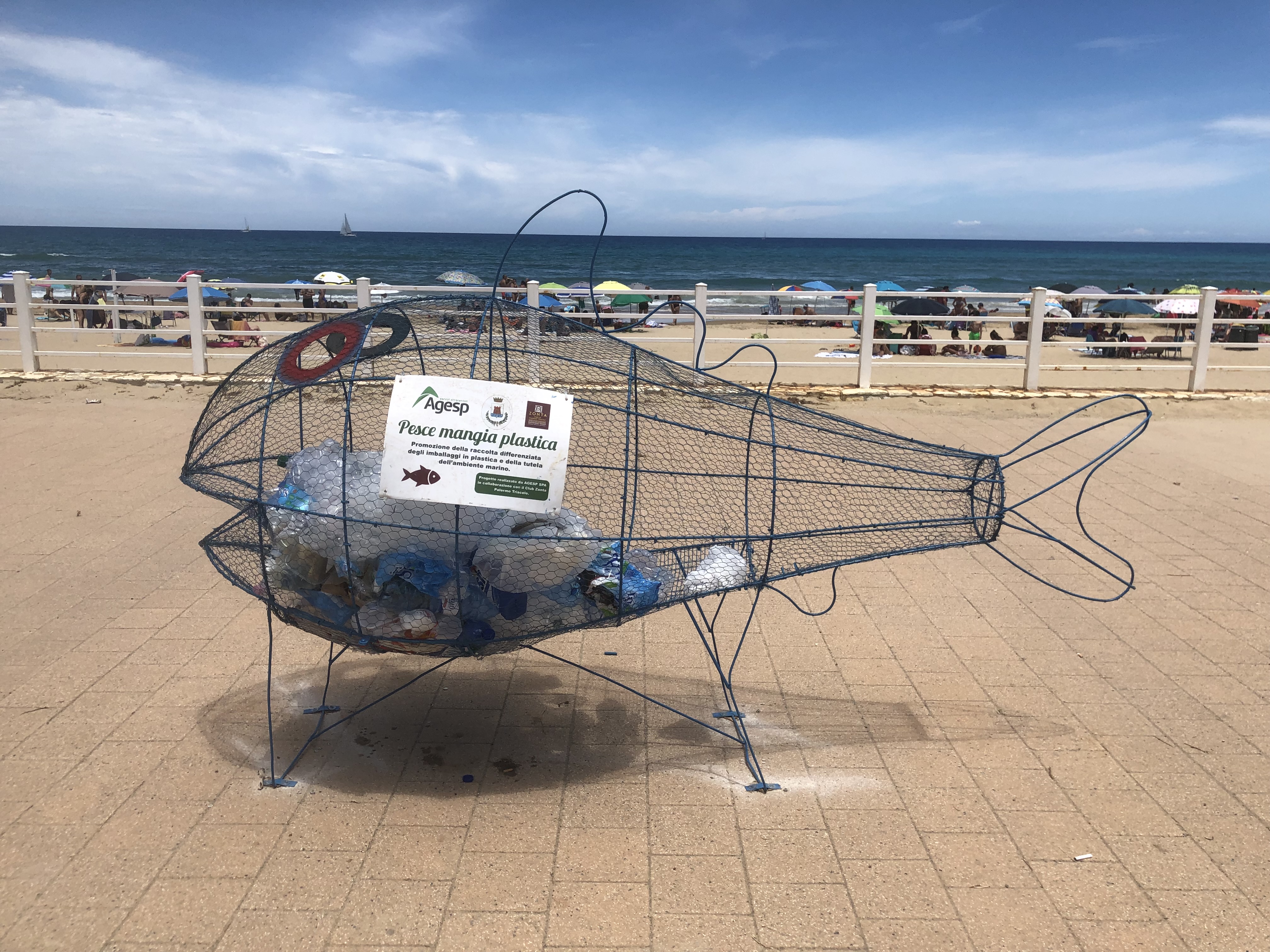
Visual traces of plastic’s presence in everyday marine environments.
01. The problem
Marine plastic pollution in Europe is produced by social structures, not isolated choices.
The project examines why plastic pollution has increased significantly during the era of increasing concerns about environmental problems. Rather than treating the issue as the outcome of isolated consumer choices, the project examines the broader social organization of production, disposal, and governance.
Drawing on environmental sociology, ecological economics, and critical sustainability science, the research focuses on political-economic and production-side dynamics, including commodification processes, that have shaped industry responses to growing concern over plastic waste in the oceans.
02. Evidence
Plastic dependency
Modern economies have become deeply dependent on plastics for packaging, convenience, durability, and circulation. This locks societies into a linear model of extraction, production, disposal, and persistent waste.
Displacement paradox
A central argument in the project is that plastics have not meaningfully displaced other major materials. Instead, plastic growth has expanded overall material throughput, reinforcing hyper-materialization rather than dematerialization.
Unequal consequences
The costs of plastic pollution fall unevenly across coastal communities, poorer nations, waste-handling regions, and marine ecosystems. Pollution is therefore also a question of justice, governance, and uneven responsibility.
Project team
Researchers contributing to this project.

Stefano B. Longo
Principal Investigator
Professor, Department of Sociology and Work Science, University of Gothenburg
Research focus: global development processes and the social drivers of ecological change, with emphasis on political economy, sustainable development, food systems, and environmental change.
Contact: stefano.longo@gu.se

Borja Nogué Algueró
Post-Doctoral Researcher
University of Gothenburg
Borja Nogué-Algueró is a Post-Doctoral researcher at the University of Gothenburg. His research sits at the intersection of environmental sociology, ecological economics, and political ecology.

Richard York
Professor
University of Oregon
Professor of Sociology and Environmental Studies whose work examines environmental change, political economy, and the social dimensions of ecological crises.
Publications
Academic articles connected to this project.
Monopoly Capital and the Rise of the Synthetic Age
Hedlund, John, and Stefano B. Longo. 2024. Monthly Review 76(7):22-39.
Plastics, Social Metabolism, and the Society-Nature Problematic
Hedlund, John, Stefano B. Longo, and Tim P. Clark. 2025. Environmental Sociology 1-16.
Recycling Paradox: Another Piece of the Plastic Pollution Problem
York, Richard, Stefano B. Longo, and Borja Nogué Algueró. 2026. Environmental Research Letters 21:061001. doi:10.1088/1748-9326/ae5312.
03. Pathway
How social and material systems turn plastic into marine pollution.
Production
Petrochemical expansion and packaging-intensive production systems normalize cheap, disposable material throughput.
Circulation
Retail, trade, logistics, and everyday consumption move plastic rapidly through society while externalizing disposal costs.
Leakage
Collection gaps, runoff, maritime activity, tourism, and waste exports allow plastic to escape formal control and enter marine environments.
Accumulation
Once released, plastics persist, fragment, and accumulate across coastlines, food webs, bodies, and infrastructures of everyday life.
04. Solutions
European responses need structural reform, not just awareness campaigns.
By identifying the social-structural processes associated with plastic pollution and governance, the project points toward responses that go beyond awareness campaigns or downstream cleanup. The issue has to be addressed at the level of production systems, petrochemical power, industry priorities, and governance arrangements.
This creates space for stronger policy, improved regulation, reduced dependence on virgin plastic production, and more effective institutional responses to an environmental problem that is often misframed as merely a matter of individual behavior.
Plastic pollution in Europe is sustained by systems of production, circulation, and governance that make disposability appear normal.
05. References
Project sources and related references.
- Hedlund, John, and Stefano B. Longo. 2024. “Monopoly Capital and the Rise of the Synthetic Age.” Monthly Review 76(7):22-39.
- Hedlund, John, Stefano B. Longo, and Tim P. Clark. 2025. “Plastics, Social Metabolism, and the Society-Nature Problematic.” Environmental Sociology 1-16.
- York, Richard, Stefano B. Longo, and Borja Nogué Algueró. 2026. Environmental Research Letters 21:061001. doi:10.1088/1748-9326/ae5312.
- Longo, Stefano B., Ellinor Isgren, and Michael Carolan. 2025. “Critical Sustainability Science: Advancing Sustainability Transformations.” Sustainability Science. doi:10.1007/s11625-025-01667-x.
- Longo, Stefano B., Ellinor Isgren, Brett Clark, Andrew K. Jorgenson, Anne Jerneck, Lennart Olsson, Orla M. Kelly, David Harnesk, and Richard York. 2021. “Sociology for Sustainability Science.” Discover Sustainability 2(1):47. doi:10.1007/s43621-021-00056-5.
- Clark, Brett, and Stefano B. Longo. 2018. “Land-Sea Ecological Rifts.” Monthly Review, July 1.
- Longo, Stefano B., and Brett Clark. 2016. “An Ocean of Troubles: Advancing Marine Sociology.” Social Problems 63(4):463-79. doi:10.1093/socpro/spw023.
- Longo, Stefano B., and Richard York. 2024. “Why Aquaculture May Not Conserve Wild Fish.” Science Advances 10(42):eado3269. doi:10.1126/sciadv.ado3269.
- York, Richard. 2017. “Why Petroleum Did Not Save the Whales.” Socius 3:2378023117739217. doi:10.1177/2378023117739217.